Service — Brick & Mortar
Brick Pointing in Brooklyn & NYC
If a brick wall, brownstone facade, or exterior masonry is showing cracks, gaps, loose mortar, or water stains, it may be time for pointing. NYC brick buildings face rain, snow, freeze-thaw cycles, pollution, and age — over time the mortar between the bricks breaks down and lets water into the wall. Perfect Construction USA Corp repoints brick and brownstone across all five boroughs from its Brooklyn base.
The Repair
The Wall's First Line of Defense
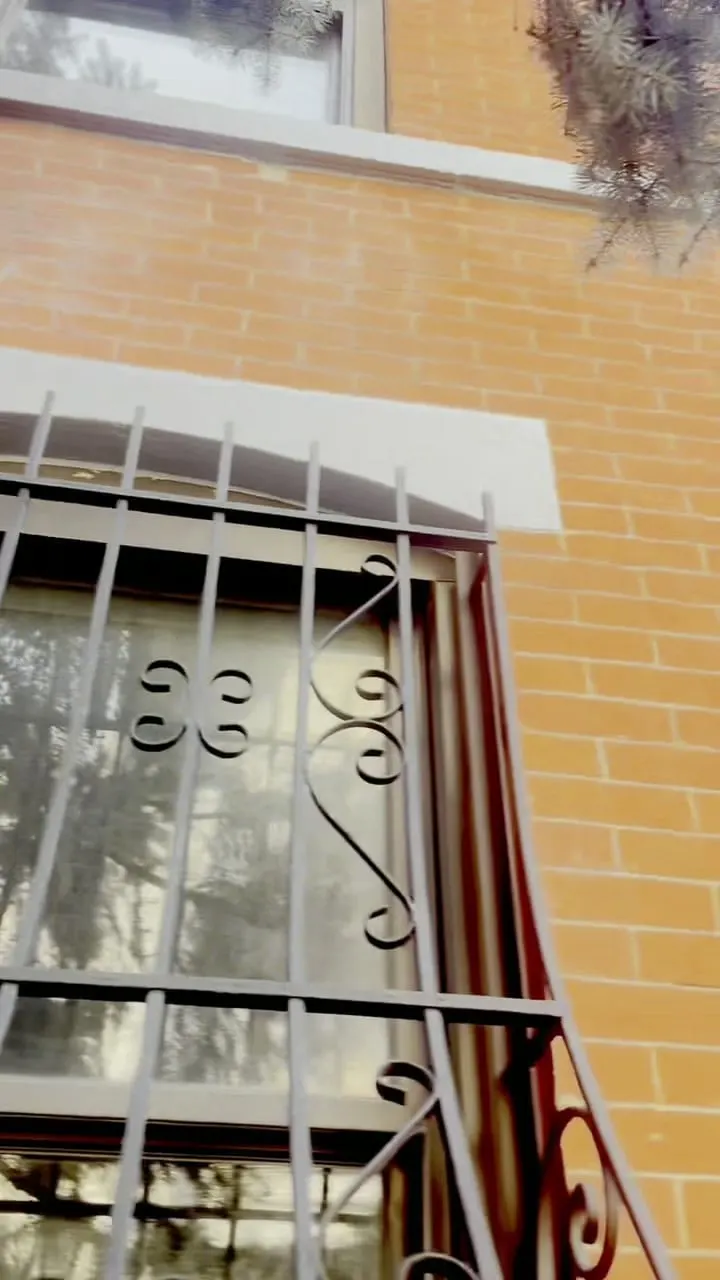
Repointing is the process of removing damaged mortar from the joints between bricks and replacing it with fresh mortar. The joint is the wall's first line of defense: when mortar cracks, crumbles, or pulls away from the brick, water enters — and in NYC winters, trapped water freezes, expands, and widens the damage. Early pointing is what keeps a mortar repair from becoming a brick replacement.
Signs your wall needs pointing
- Missing, cracked, or crumbling mortar joints
- Soft or sandy joints that scrape out by hand
- Stair-step cracks and loose bricks
- Water stains and damp interior walls
- White powdery residue (efflorescence) on the brick
Pointing applies to more than the front facade — party walls, rear and side walls, parapets, chimneys, and stoop walls all fail the same way, and on attached Brooklyn row houses one wall's joints can leak into two buildings.
Scope of Work
How a Repointing Job Runs
- 01 Probe the joints — a mason reads the wall first: which joints have failed, how deep, and what the original mortar was
- 02 Rake out the deteriorated mortar to sound material, keeping the brick edges intact
- 03 Pack in new mortar matched to the original in strength, color, and texture — never harder than the brick it holds
- 04 Strike the joints to the original profile so the elevation sheds water and reads as one wall
- 05 Clean down and check the related details — lintels, sills, parapets, and flashing — where water usually enters next
The mortar match is the craft. On historic brick and brownstone, new mortar has to match the original in strength, color, and joint profile — a mix that is too hard can crack the brick itself, and a patch that reads a different color never blends back into the elevation. That matching work is what a pointing specialist is hired for. Full elevations are the durable fix when failure is widespread; isolated patching has its place, and the Q&A below gives the decision rule.
Documented Work
Pointing, on the Record
274 Hoyt Street, Brooklyn
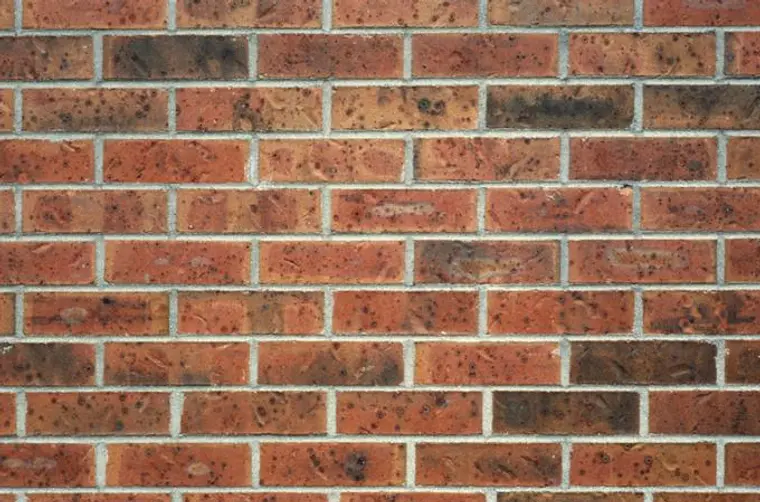
A full front-elevation refresh: freshly repointed brickwork with clean, uniform joints, a restored brownstone stoop, and renewed window sills and door header. View the project →
Pointing often arrives with the rest of the elevation — stoop work is on the masonry & concrete page, and full stone restoration on the brownstone page.
Questions & Answers
Pointing Questions, Answered
What are the signs that brick mortar is failing?
Failing mortar usually shows as joints that are cracked, crumbling, recessed well behind the brick face, or washing out as sand. Inside the building, the same failure often appears as damp walls, peeling paint near exterior walls, or drafts around windows. Once joints open up, water enters the wall and each freeze-thaw cycle widens the damage, so failing mortar is a repair-soon item, not a cosmetic one.
What is repointing, and how is it different from tuckpointing?
Repointing is the process of removing deteriorated mortar from the outer part of a brick joint and packing in new mortar matched to the original in strength, color, and texture. Tuckpointing is often used to mean the same repair, though strictly it describes a decorative finish where a thin contrasting line is tooled into the fresh joint. On historic NYC brick and brownstone buildings, the important part is the mortar match — mortar that is too hard can crack the brick itself.
How much does brick repointing cost in NYC?
Repointing cost in NYC is driven mainly by the square footage of wall, how deep the mortar has failed, building access — scaffold or boom lift versus work from the ground — and whether permits and a sidewalk shed are required. A small stoop wall and a six-story facade are both "repointing," but their access and labor costs are in different categories. The reliable way to price it is a site visit: Perfect Construction offers free estimates — call (347) 335-8089.
How long does repointing take?
Repointing a single elevation of a typical NYC brownstone or small brick building generally takes days to a few weeks, depending on the wall area, how much mortar must be ground out, and cure time between passes. Full-building projects on larger facades run longer, because scaffolding, protection, and DOB requirements govern the schedule as much as the masonry itself. Weather matters too — new mortar cannot be placed in freezing conditions, so winter starts are planned carefully.
Can I just patch the bad spots, or do I need full repointing?
Spot patching is reasonable when the damage is isolated — a few cracked joints around a lintel or one weather-beaten corner — and the surrounding mortar is still hard and well bonded. When joints are failing across a whole elevation, patching only moves the water entry to the next weakest joint, and the patches rarely match in color or hardness. A mason can tell the difference by probing the joints: if mortar crumbles out across the wall, repointing the elevation is the durable fix.
Who does brick pointing near me in Brooklyn?
Perfect Construction USA Corp provides brick pointing and repointing across Brooklyn and the other four boroughs, from its base at 754 Drew St, Brooklyn, NY 11208. The work covers full-elevation repointing and mortar matching on brick and brownstone buildings. To have the joints inspected and priced, call (347) 335-8089 for a free estimate.