Service — Brick & Mortar · Bedford-Stuyvesant
Brick Pointing in Bedford-Stuyvesant
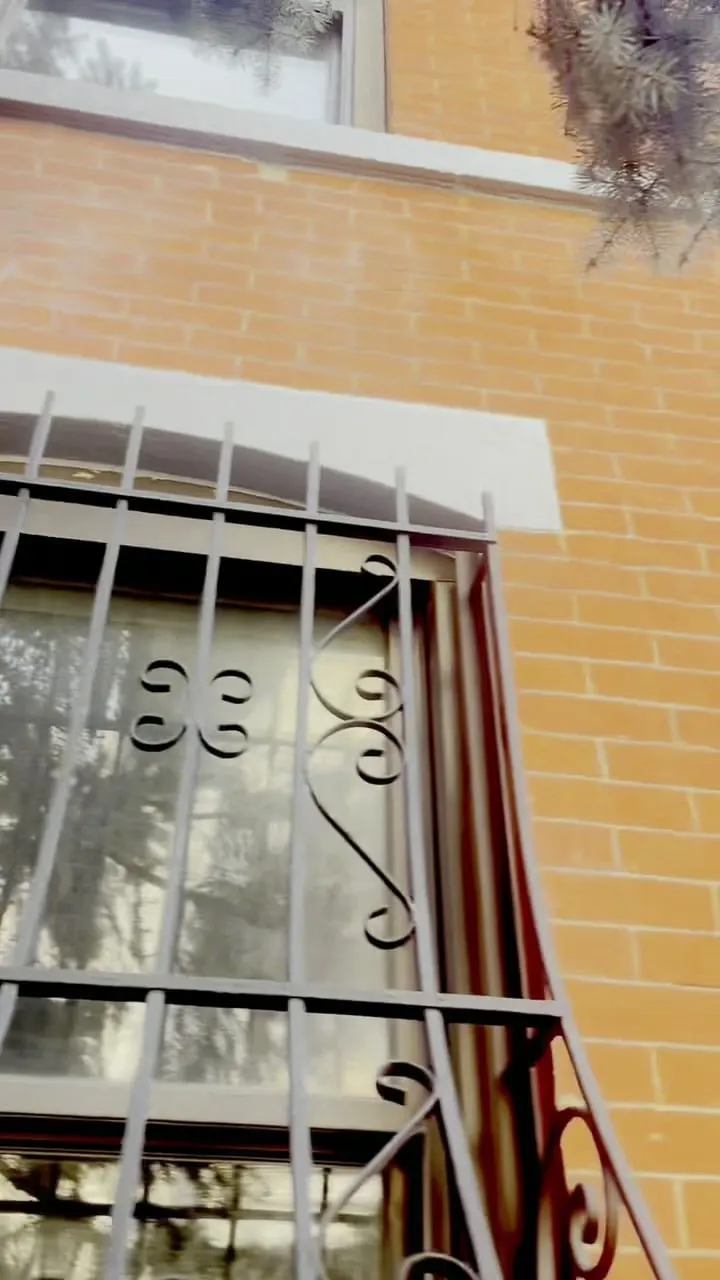
Bedford-Stuyvesant holds one of the largest stocks of 19th-century rowhouses in the country — block after block of brownstone and brick built in the 1860s through the 1890s, all of it held together by lime mortar that is now a century or more old. When that mortar cracks, crumbles, or washes out of the joints, water gets into the wall and every freeze-thaw cycle makes it worse. Perfect Construction USA Corp repoints Bed-Stuy facades, party walls, and rear walls with mortar matched to the original — in strength, color, and profile.
The Buildings
Why Bed-Stuy Mortar Fails the Way It Does
These rowhouses were built with lime mortar on purpose: a soft joint that flexes with the building, lets wall moisture escape, and sacrifices itself over decades so the brick survives. That design works — until the joints are spent. Failed lime mortar shows up as joints recessed deep behind the brick face, sandy material that rakes out by hand, and damp or spalling brick around the openings. Once the joints stand open, rain drives straight into the wall assembly.
Signs a Bed-Stuy wall needs pointing
- Mortar joints recessed well behind the brick face
- Soft, sandy joints that scrape out by hand
- Stair-step cracks following the joints
- Damp walls, peeling paint, or musty rooms on exterior walls
- Brick faces spalling or flaking around failed joints
The front facade is only part of it — party walls, rear walls, and parapets on attached rowhouses fail the same way, and on a shared wall one building's open joints can send water into both houses.
Scope of Work
How a Repointing Job Runs
- 01 Probe the joints — a mason reads the wall first: which joints have failed, how deep, and what the original lime mortar was
- 02 Rake out the deteriorated mortar to sound material, keeping the brick edges intact
- 03 Pack in new mortar matched to the original in strength, color, and texture — never harder than the brick it holds
- 04 Strike the joints to the original profile so the elevation sheds water and reads as one wall
- 05 Clean down and check the related details — lintels, sills, parapets, and flashing — where water usually enters next
The mortar match is the craft. On historic Bed-Stuy brick, the new mix has to match the original lime mortar in strength, color, and joint profile — too hard, and the brick cracks instead of the joint; off-color, and the elevation reads as patchwork for decades. Full elevations are the durable fix when failure is widespread; isolated patching has its place, and the Q&A below gives the decision rule.
Parts of the neighborhood — including the Stuyvesant Heights Historic District — are landmarked, so exterior work visible from the street can need Landmarks Preservation Commission approval. That question gets answered for the specific building at the estimate, before any work is scheduled.
Documented Work
Pointing, on the Record
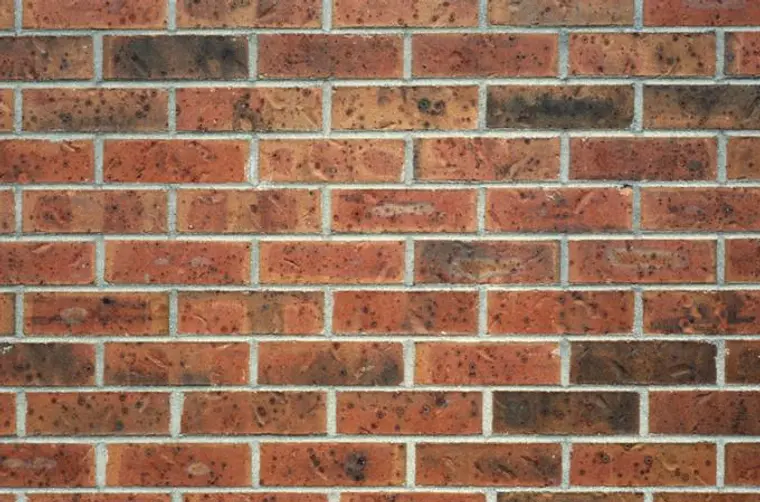
274 Hoyt Street, Brooklyn
A full front-elevation refresh: freshly repointed brickwork with clean, uniform joints, a restored brownstone stoop, and renewed window sills and door header. View the project →
For the full picture of the trade, see the main brick pointing page — and if the facade itself needs stone restoration, the brownstone page covers that work.
Questions & Answers
Bed-Stuy Pointing Questions, Answered
How do I know if my Bed-Stuy brownstone needs repointing?
Walk the facade and look at the joints, not the brick. Mortar that is cracked, crumbling, recessed behind the brick face, or soft enough to scrape out with a key has stopped doing its job. Inside, the same failure shows as damp patches or peeling paint on exterior walls. On Bedford-Stuyvesant's 19th-century rowhouses the original lime mortar was designed to wear out gradually and be replaced — repointing is scheduled maintenance on these buildings, not an emergency repair, but it should not be postponed once joints are open to the weather.
Does pointing work in a historic district need Landmarks approval?
It can. Parts of Bedford-Stuyvesant — including the Stuyvesant Heights Historic District — are landmarked, and exterior work visible from the street may need a Landmarks Preservation Commission permit. Straightforward mortar repair in kind, matched to the original color and profile, is usually the simplest category of that work, but the permit question has to be answered for the specific building before work starts. Perfect Construction flags it at the estimate stage, so the approval path is clear before a scaffold goes up.
Why does the mortar match matter so much on older Bed-Stuy buildings?
The original mortar in an 1800s rowhouse is a soft lime mix — deliberately softer than the brick, so the joint absorbs movement and weather instead of the brick face. Repointing with a modern hard Portland mix reverses that: the joints stop giving, the brick starts cracking and spalling, and the repair becomes the damage. The match also has to read right — color, sand, and joint profile — or the elevation shows a patchwork that never blends. Matching the original in strength, color, and profile is the whole craft of pointing historic brick.
How much does brick repointing cost in Bedford-Stuyvesant?
Cost is driven by the square footage of wall being repointed, how deep the mortar has failed, and access — a garden-level wall reached from the sidewalk prices very differently from a full front elevation on scaffold. Historic-district paperwork can add time, though not masonry cost. Because the variables are all visible on site, the honest route is a free estimate: call (347) 335-8089 and the wall is probed, measured, and priced in person.